
Cabazon, CA Water Filtration: How Often Replace Filter?
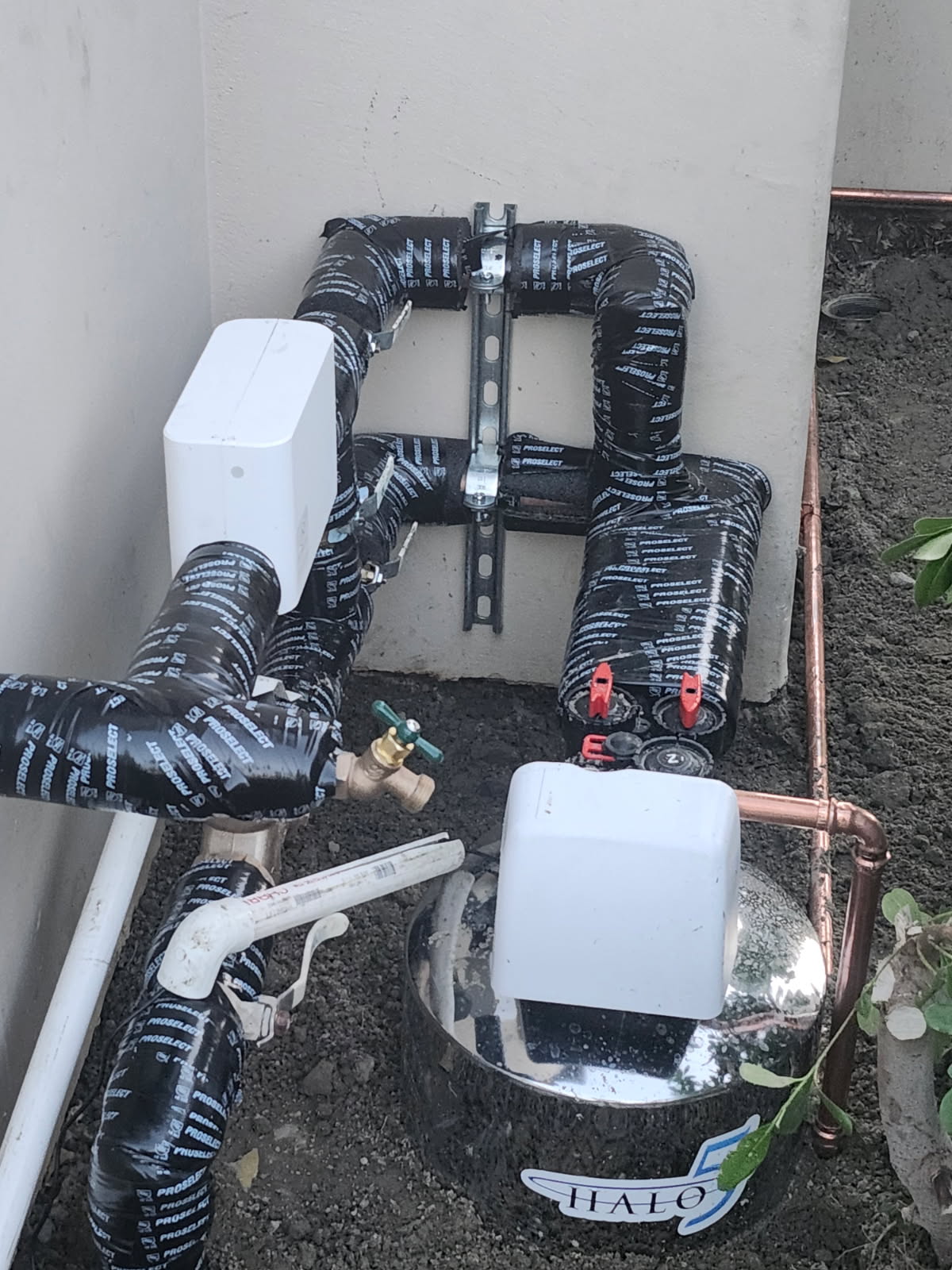
If you’re asking how often should you change a water filter cartridge, you’re already ahead. Fresh cartridges keep drinking water clean, protect plumbing, and help systems last. In this guide, you’ll get straight schedules for whole‑house filters, reverse osmosis, and fridge units, plus easy signs it’s time to swap. Live in Indio, Palm Desert, or Palm Springs? We install and service filtration systems and can set reminders so you never guess again.
Why Cartridge Changes Matter More Than You Think
A clean cartridge is your first line of defense against taste, odor, and unwanted particles. As a filter fills, flow slows, chlorine taste can return, and fine sediment sneaks past. Ignoring changes forces your well pump or municipal connection to push harder, which stresses plumbing and appliances. For desert homes with hard water, limescale builds faster when filters are exhausted, which can shorten water heater life and clog aerators.
Two practical reasons to stay on schedule:
- Water quality stays consistent for cooking and drinking.
- Equipment strain drops, which helps avoid surprise repairs.
Our team installs whole‑house filtration near the main shutoff in a lower area of the home, then shows you how to turn off water, depressurize, and change cartridges safely. Most swaps take minutes with the right wrench and a bucket.
Quick Reference: Typical Replacement Schedules
Every home’s water demand and quality differ, but these timelines work for most households:
- Whole‑house sediment cartridge: 3 to 6 months, or sooner with visible discoloration or pressure drop.
- Whole‑house carbon cartridge: 6 to 12 months, depending on chlorine levels and gallons used.
- Reverse osmosis (RO) prefilter/postfilter: 6 to 12 months; RO membrane: 2 to 5 years based on TDS.
- Fridge/ice maker filter: about every 6 months, or per manufacturer gallon rating.
- Under‑sink carbon block: 6 to 12 months; replace sooner if taste or odor returns.
- Water softener prefilter (if installed): 3 to 6 months to keep sediment out of the valve body.
Pro tip: If a filter is rated by gallons, divide that number by your monthly use. A family of four often uses 7,000 to 10,000 gallons per month. That quick math gives you a calendar date instead of a guess.
Factors That Change the Timeline
Several local and household variables can shorten or extend change intervals:
- Source water
- High sediment or seasonal turbidity will clog sediment cartridges faster.
- Higher chlorine levels load carbon media quickly, bringing back taste and odor sooner.
- Usage
- More occupants, frequent laundry, and outdoor faucet use add gallons and reduce filter life.
- Plumbing condition
- Galvanized or corroded piping releases rust flakes that blind‑off sediment filters.
- Hard water
- Mineral scale sticks to faucet aerators and fixtures when filters are spent. Pairing filtration with a softener or conditioner improves lifespan and water feel.
- Well vs. municipal
- Private wells may see sand or silt surges after pump cycling or storms, which demands tighter sediment changes.
If your home in Cathedral City or La Quinta sees pressure swings after lawn watering days, check the whole‑house cartridge first. It is often the easiest fix.
Whole‑House Filters: How Often Is “Right”?
Point‑of‑entry systems protect every tap. The most common setup uses a sediment filter followed by carbon. Here’s how to dial in timing:
- Sediment first stage: Replace at 3 to 6 months. If the clear housing shows brown or gray loading, do not wait. A clogged first stage will drop pressure everywhere.
- Carbon stage: Replace at 6 to 12 months. Families that taste chlorine breakthrough at 5 months should tighten the cadence. If you cook with a lot of pasta or coffee, you will notice taste shifts first.
- Dual or jumbo housings: Larger cartridges hold more media, which can extend life, but do not ignore taste, odor, or pressure cues.
What to watch:
- Whole‑home pressure drops or showers feel weak.
- Ice tastes flat or smells like pool water.
- Housings are hard to open due to vacuum from clogging.
Our plumbers can install pressure gauges before and after the filter. A 5 to 10 psi drop means it is time to change.
Reverse Osmosis: Prefilters vs. Membranes
RO shines at reducing dissolved contaminants that carbon misses. It relies on three parts:
- Sediment prefilter: Captures fine particles. Replace every 6 to 12 months.
- Carbon prefilter: Protects the membrane from disinfectants like chlorine. Replace every 6 to 12 months.
- RO membrane: The workhorse. Replace every 2 to 5 years or when TDS rises.
How to tell:
- Taste and odor return even after new prefilters often points to the membrane.
- Storage tank takes much longer to fill.
- A handheld TDS meter shows numbers climbing month over month.
For households in Palm Springs and Rancho Mirage, where guests come and go seasonally, consider a pre‑summer filter change to keep ice and drinking water at their best.
Fridge Filters and Under‑Sink Cartridges
Refrigerator filters are easy to forget. Many models slow ice production and dispenser speed as they clog. If you notice either, swap the cartridge even if the calendar icon is not flashing.
Under‑sink carbon blocks handle taste, odor, and many chemical byproducts. Follow the 6 to 12 month rule of thumb, but trust your senses. When coffee or tea tastes off, your cartridge is asking for a change.
Pro move: Write the install date on the cartridge with a marker. If you cannot see the housing, set a phone reminder.
Signs It’s Time to Change a Water Filter Cartridge
You do not need a lab report to know when a filter is done. Look for:
- Water pressure drops at multiple fixtures.
- Return of chlorine smell, metallic taste, or cloudy glasses.
- Shorter intervals between descaling kettles or scrubbing shower doors.
- Black carbon fines in the first few glasses after a long pause.
- RO system running longer with smaller ice cubes.
If you see orange or black fouling inside the housing, replace the O‑ring along with the cartridge and use silicone grease. That helps prevent drips when you repressurize.
Pairing Filtration and Softeners for Best Results
Filtration targets taste, odor, and many contaminants, while softeners address hardness minerals that cause limescale. In the Coachella Valley, combining a whole‑house sediment/carbon filter with a softener or a salt‑free conditioner delivers the best shower feel and protects water heaters and fixtures.
Your options:
- Traditional softeners: Swap resin cleaning salt as needed and consider a prefilter to catch sediment.
- Salt‑free conditioners: These systems change the shape of calcium and magnesium crystals to reduce scale on surfaces.
- Reverse osmosis at the kitchen: For the cleanest drinking water where it matters most.
If your home has very hard water, expect to change sediment cartridges more often. A softener prefilter at 3 to 6 months is common.
DIY vs. Professional Cartridge Changes
Many homeowners handle simple filter swaps. DIY makes sense when housings are accessible and you have the right wrench. Call a pro when:
- The filter is stuck or the housing O‑ring is damaged.
- You see rust flakes or sand after each change.
- You need pressure gauges, a bypass valve, or added stages to handle taste or sediment.
Our technicians arrive with stocked trucks, replacement O‑rings, food‑grade lubricant, and cartridges sized for your housing. We set pressure limits, label flow direction, and test for leaks before we leave.
Safety, Performance, and Hard Facts You Can Trust
- Company credentials: Our plumbers are licensed, insured, background‑checked, and drug‑tested. We back our work with strong warranties and guarantees.
- Recognized excellence: We’re a 6‑time Dave Lennox Award winner and a 7‑time Circle of Excellence recipient, and we hold Pearl Certification for quality and efficiency.
- Membership value: Members of our ServicePlus Plan get faster service plus discounts on repairs and diagnostic fees.
- Installation speed: Most whole‑house filtration and softener installs are completed in about a day in a central lower location near the main valve.
These facts mean your home’s water quality project is handled by a team that treats safety, training, and results as non‑negotiable.
Maintenance Cadence for Desert Living
The desert climate and municipal treatment changes can nudge your filter timeline. Use this simple cadence for Indio, Palm Desert, La Quinta, and nearby cities:
- Spring: Replace whole‑house sediment and fridge filters. Check softener prefilter.
- Late summer: Replace carbon filters if you notice chlorine taste after high‑demand months.
- Yearly: Replace under‑sink cartridges and test RO TDS. Inspect O‑rings and housings.
- Every 2 to 5 years: Replace RO membrane when TDS rises or production slows.
Prefer set‑and‑forget? Ask us to tag your equipment and enroll you in automatic reminders or our annual membership for priority scheduling and savings.
How We Size Filters So You Change Less Often
A properly sized system keeps pressure up and extends cartridge life:
- Use 1‑inch or larger housings on homes with 1‑inch main lines to cut pressure loss.
- Choose pleated sediment filters for washable service when fine dust is common.
- Pick catalytic carbon for tougher disinfectant byproducts and longer life than granular media.
- Add a pressure‑reducing valve if your incoming pressure is too high, which can crack housings and push fines downstream.
We evaluate fixture count, shower flow rates, irrigation use, and local water reports before we recommend a setup.
Troubleshooting After a Cartridge Change
If the water looks gray or has tiny black specks after a carbon swap, flush a few gallons from the nearest tub spout. Still tasting chlorine? Verify the cartridge is seated with the correct flow direction. For slow flow after a sediment change, recheck that the O‑ring is clean, lubricated, and not pinched.
If your filter housing vibrates or chatters when opening a faucet, the cartridge micron rating may be too tight for your plumbing. We can reset the spec to balance clarity and flow.
What Homeowners Are Saying
"I had a whole house water filter installed. It was rather expensive but well worth it. I called to make an appointment and they came out the next morning. Tony was great. He knew exactly what he was doing and there were no surprises. He did a great job. I would use them again." –Homeowner, Whole‑House Water Filter Install
"We received excellent education and advice regarding available options for the replacement of our old, failing, whole-house water conditioner-softener system. With no hard sell pressure... Upon choosing one option, Hector, the technician... performed an excellent installation. His performance was so impressive, we chose to engage General to provide ongoing maintenance service... via joining their annual membership program." –Info I., Membership Program
Frequently Asked Questions
How often should a whole‑house water filter cartridge be changed?
Most sediment cartridges last 3 to 6 months, while carbon cartridges run 6 to 12 months. Replace sooner if pressure drops or taste and odor return.
How often should I change my reverse osmosis filters?
Change RO prefilters every 6 to 12 months. Replace the RO membrane every 2 to 5 years, or when a TDS meter shows rising numbers.
Do refrigerator water filters really need changing every 6 months?
Yes, most do. Fridge filters clog slowly, reducing ice output and dispenser flow. Follow the 6‑month guideline or the manufacturer’s gallon rating.
What are clear signs it is time to replace a cartridge?
Lower water pressure throughout the home, chlorine smell, metallic taste, cloudy glasses, or carbon fines after startup signal a spent filter.
Can I change a filter myself, or should I call a plumber?
If the housing is accessible and you have the wrench and a bucket, DIY is fine. Call a pro for stuck housings, leaks, or repeated clogging.
Key Takeaway
Changing water filter cartridges on time keeps taste clean, pressure steady, and plumbing protected. For most homes in Indio, Palm Desert, Palm Springs, and nearby, plan on 3 to 6 months for sediment, 6 to 12 months for carbon, and 2 to 5 years for RO membranes.
Ready for Better Water? Call, Schedule, or Chat
- Call General Air Conditioning & Plumbing at (760) 343-7488
- Schedule online: https://www.callthegeneral.com/
- Ask about our ServicePlus Plan for priority service and discounts on diagnostics and repairs.
Prefer a pro to handle filter reminders and changes? Book now and enjoy cleaner water with zero guesswork.
About General Air Conditioning & Plumbing
For Coachella Valley homeowners, service is our obsession. Our licensed, insured, and background‑checked plumbers install and maintain whole‑house water filtration and softeners with upfront pricing and 24/7 availability. We’re multiple‑time Lennox award winners and Pearl Certified. Members of our ServicePlus Plan get priority scheduling and discounts on repairs and diagnostics. One call gets a stocked truck and a pro who does it right the first time.
Sources12
Source links open in a new tab.
- Up to 20% discount on service and repair on A/C, heating, and plumbingcallthegeneral.com (opens in a new tab)
- $250 OFF Tank Water Heatercallthegeneral.com (opens in a new tab)
- With a membership, you’ll get up to 20% off your tankless water heater repair.callthegeneral.com (opens in a new tab)
- Monthly Payments As Low As $99 A Monthcallthegeneral.com (opens in a new tab)
- Happy comment by Mark Dierlinggoogle.com (opens in a new tab)
- Happy comment by Tim Sandersgoogle.com (opens in a new tab)
- Happy comment by william pricegoogle.com (opens in a new tab)
- Happy comment by Travis Ginnettgoogle.com (opens in a new tab)
- Water Filtration in Palm Springs, CA | Cleaner Watercallthegeneral.com (opens in a new tab)
- Service Area | General Air Conditioning & Plumbingcallthegeneral.com (opens in a new tab)
- Plumbing Service in Palm Springs, CA | Repair & Installcallthegeneral.com (opens in a new tab)
- Water Heater Maintenance in Palm Springs, CA | Tune-Upcallthegeneral.com (opens in a new tab)