
Rancho Mirage Electrical Panel & Service Upgrades Cost
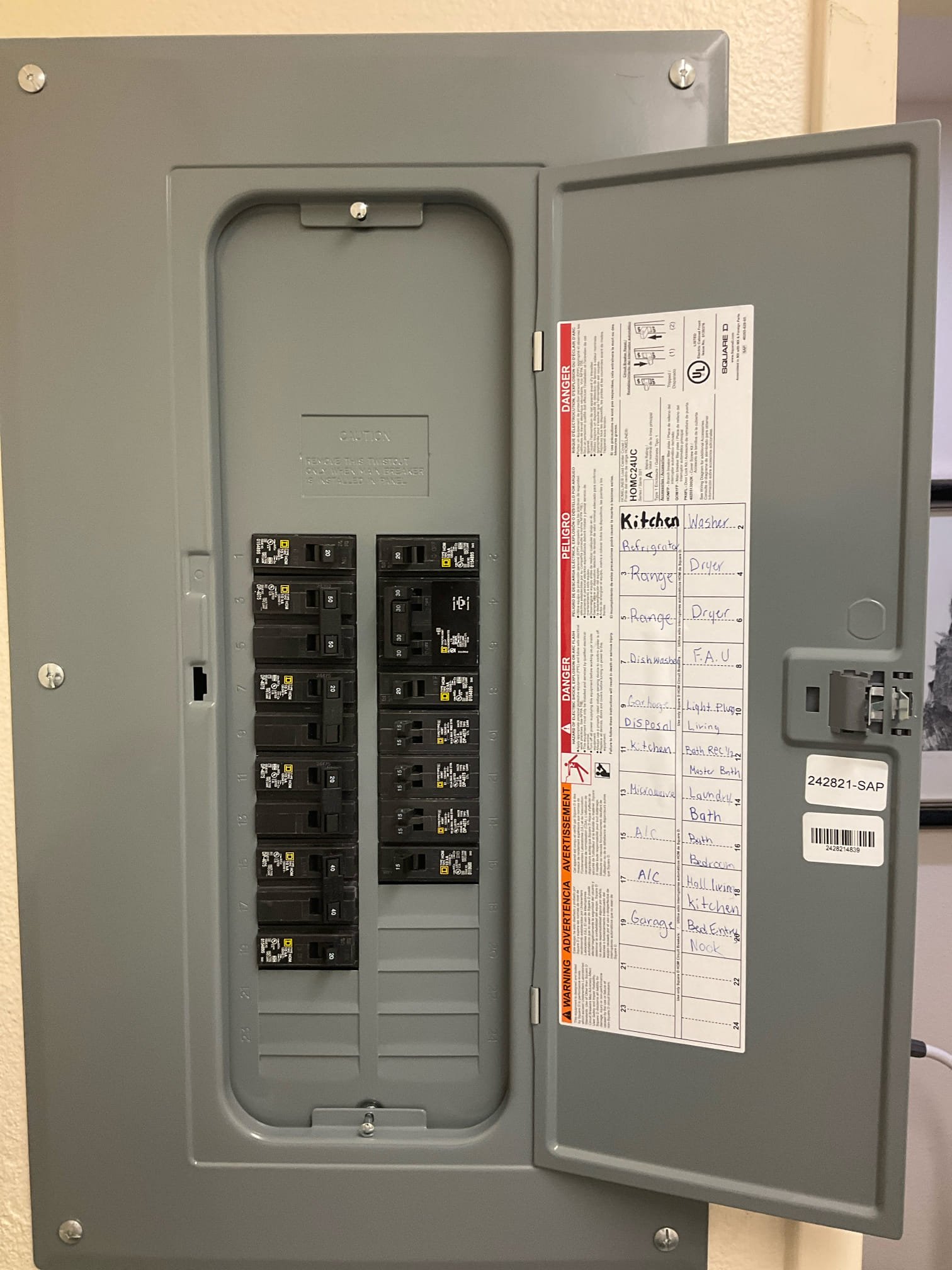
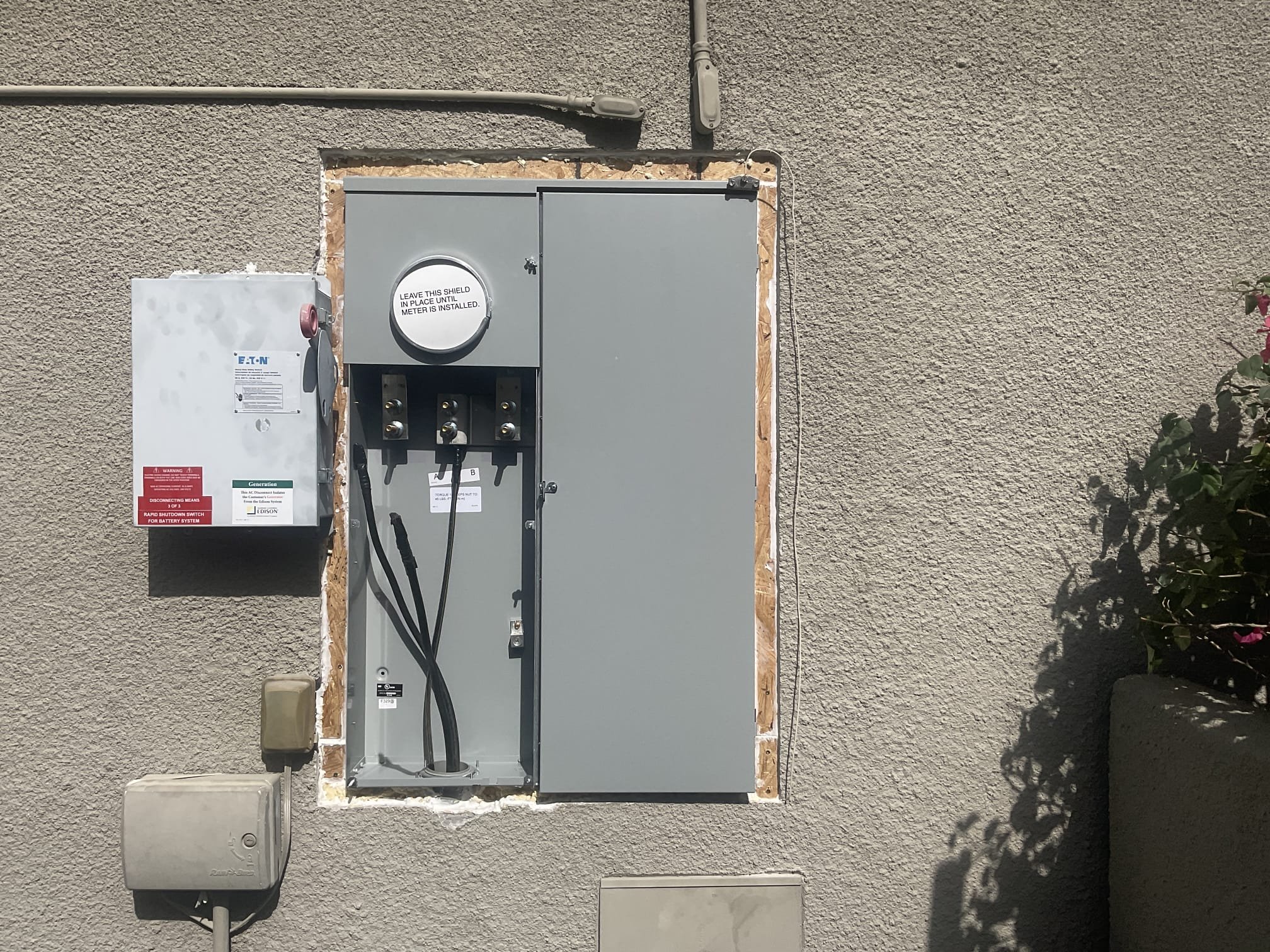
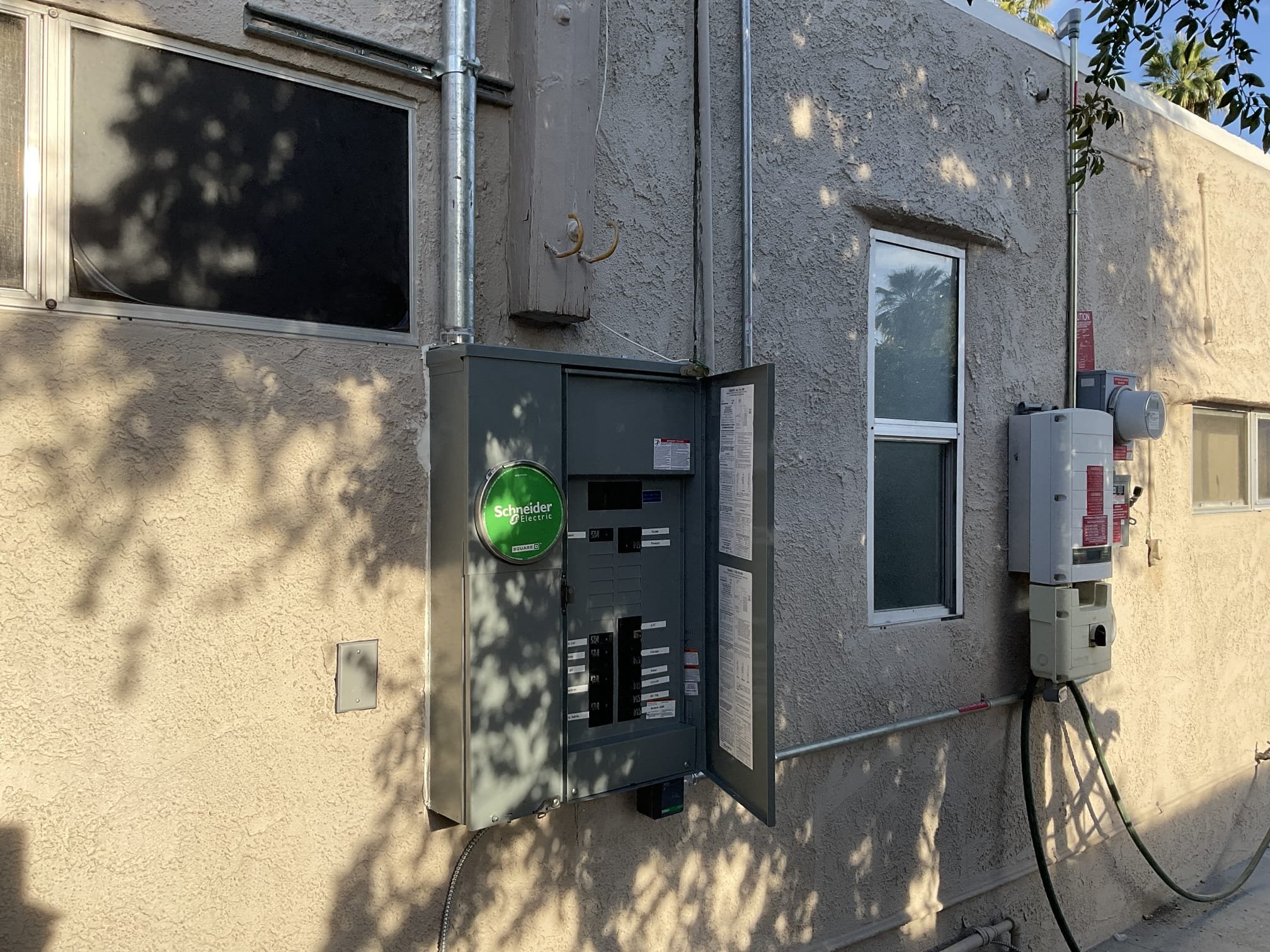
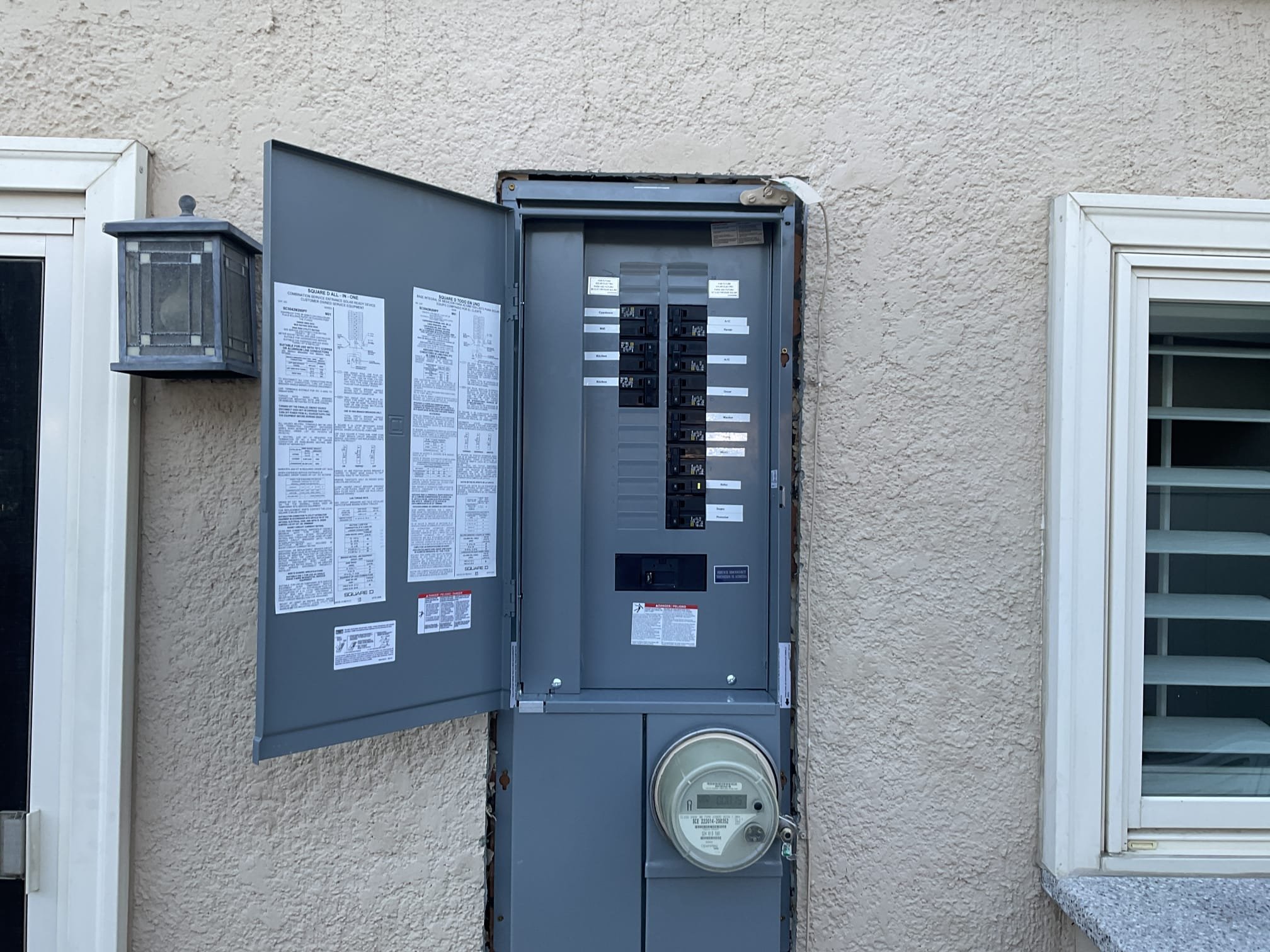
If you’re pricing a fuse box replacement cost, you’re likely seeing tripped fuses, flickering lights, or planning EV charging or solar. This guide breaks down realistic numbers, what drives price, and how to avoid costly surprises. We’ll show you how to upgrade safely, pass inspection the first time, and future‑proof for modern loads common in the Coachella Valley’s extreme heat.
What Does a Fuse Box Replacement Actually Include?
Upgrading a fuse box is more than swapping fuses for breakers. It is a safety and capacity project that touches service entry conductors, grounding and bonding, labeling, and inspection.
What a typical replacement may include:
- New main breaker panel sized to your load (often 100–200 amps for homes).
- Service disconnect, meter coordination if required, and utility shut‑off scheduling.
- New grounding electrode system and bonding verification.
- Arc‑fault and ground‑fault protection where code requires.
- Circuit mapping, labeling, and panel directories.
- Permit, city inspection, and close‑out.
Our electrical service catalog includes: Electrical Upgrading, Electrical Repairs, Backup Generators, Panel Replacements, Panel Inspections, Whole‑Home Rewiring, Electrical Replacement, Surge Protection, Outlet Repair/Install, Switch Repair/Install, EV Charging Stations.
Realistic Price Ranges You Can Use to Budget
Every home is different, but here are homeowner‑friendly ranges we see in California communities like Indio, Palm Desert, and Palm Springs:
- Replace fuse box with 100–125A breaker panel: typically $1,500–$3,000.
- Upgrade to 200A breaker panel only, similar location and clearances: typically $2,500–$4,500.
- Full service upgrade to 200A with new mast, meter panel integration, and utility coordination: commonly $3,500–$7,500.
- Sub‑panel addition for an addition, ADU, or outbuilding: usually $600–$2,000 depending on distance and amperage.
What can add cost:
- Long wire runs or difficult panel relocation.
- Correcting unsafe wiring found during inspection.
- AFCI/GFCI breaker requirements that raise breaker unit costs.
- Trenching or conduit upgrades for detached structures.
- Bringing clearances to code if panel is in a closet or bathroom.
Factors That Drive Your Final Cost
Think in terms of three buckets: capacity, complexity, and compliance.
-
Capacity
- Existing fuse boxes are often 60–100 amps. Today’s homes with HVAC, pool equipment, and EVs commonly need 150–200 amps.
- A proper load calculation decides panel size. Oversizing slightly helps you avoid a second upgrade later.
-
Complexity
- Same‑location changeouts are faster than relocations.
- Stucco, tight utility rooms, or recessed panels can add wall repair time.
- Coordination with the utility for a service upgrade impacts timeline and labor.
-
Compliance
- Local codes require working clearances, proper bonding, and labeled directories.
- Arc‑fault and ground‑fault protection is required in many living and wet areas. These breakers cost more than standard types but add safety.
Signs It’s Time to Replace a Fuse Box
From our inspections, these are the red flags you should not ignore:
- Circuit protection trips frequently or requires larger fuses to “make it work.”
- Flickering lights, buzzing panel, scorched marks, or a burning smell.
- Hot panel face or rusted enclosures.
- Outdated fuse box with limited spare capacity.
As your site states: If your electrical panel is more than 20 years old, it’s likely nearing the end of its lifespan and will eventually need to be replaced. An electrical panel replacement is a crucial investment in the safety and efficiency of your home.
Fuse Box vs Breaker Panel: Why Upgrade Now
Fuses can protect circuits, but they are inconvenient and often mismatched by previous owners. Breaker panels:
- Improve safety with modern AFCI/GFCI options.
- Offer more spaces and better labeling for circuits.
- Simplify resets after a fault and reduce nuisance service calls.
- Support EV chargers, spas, and heat pump HVAC.
In the Coachella Valley, summer peaks can push HVAC systems hard. A right‑sized breaker panel keeps voltage stable under high load and helps avoid nuisance trips that risk equipment.
What Happens During a Professional Replacement
Here is the common, homeowner‑friendly sequence:
- Load calculation and panel sizing.
- Permit pulled with your city and schedule set with the utility if needed.
- Safety prep, power shut‑off, and lockout.
- Remove fuse box, land conductors in the new panel, install breakers, and label.
- Bonding and grounding verification.
- Power restoration and functional testing.
- Inspection and final documentation.
We know the local codes inside and out, which means when we do electrical work at your home, it’s always inspection ready and safe to use.
Permits, Inspections, and Utility Coordination
Expect a permit for panel and service upgrades. Inspectors verify clearances, conductor sizes, grounding, GFCI/AFCI protection, and labeling. If your service size changes, the utility may need to upgrade the service drop or meter base. Good contractors coordinate this for you and build it into the schedule.
Permit and inspection fees vary by city. Budget a few hundred dollars in most cases. The peace of mind and insurance compliance are worth it.
Cost Line Items to Expect on a Proposal
When you compare estimates, look for apples‑to‑apples detail:
- Panel brand, amperage rating, and space count.
- Number and type of breakers, including AFCI/GFCI where required.
- Grounding upgrades and bonding work.
- Conduit, wire, and fittings for any relocation.
- Permit, inspection, and utility scheduling.
- Patch and paint scope, if any, for stucco or drywall around the panel.
Transparent proposals reduce surprise change orders on install day.
Add‑Ons That May Be Worth It
Consider these upgrades while the panel is open:
- Whole‑home surge protection to protect electronics and HVAC.
- Sub‑panel for additions, garages, or pool equipment.
- Dedicated 240V circuits for EV chargers or heat pump water heaters.
- Generator‑ready transfer switch for outages.
Our team integrates transfer switches and sub‑panels so your backup power works safely and passes inspection.
Solar and EV Readiness: Plan Once, Save Twice
A common regret we hear is upgrading a panel, then opening it again a year later for solar or EV charging. Planning once removes duplicate labor.
- Pre‑wire or reserve breaker spaces for solar backfeed.
- Ensure the bus rating supports your planned inverter size.
- Install conduit paths while walls are open to keep future installs clean.
Customer feedback echoes this approach: upgrading the outdated panel and breakers and having fitting for solar in the future is a smart move.
Safety, Insurance, and Resale Value
A modern panel improves safety by reducing fire risk from overheated or overloaded circuits. Insurers may question coverage after a fire if noncompliant electrical work is found. A documented, permitted upgrade helps prevent claims headaches and can improve buyer confidence if you sell.
Maintenance After Your Upgrade
Even a new panel benefits from periodic checks. Heat, dust, and Coachella Valley’s desert conditions can loosen lugs and compromise connections.
- Schedule a professional inspection every 2–3 years.
- Have torque checks on main lugs and breakers.
- Clean and verify exterior weatherproof panels after storms.
As your site notes: Maintenance can include an inspection of the electrical system, minor repairs that may be noticed, and other services.
Timeframe: How Long Will You Be Without Power?
Most straight swap panel changes complete in one day, with power off for 4–8 hours. Service upgrades or relocations may run longer. We provide a clear schedule, protect your home, and restore power the same day whenever feasible.
DIY vs Pro: What Homeowners Should Know
Working inside a service panel is hazardous. Mistakes with bonding, conductor sizing, or terminations can cause fire or shock. A licensed electrician ensures code compliance, coordinates permits, and protects your warranty. Our electricians are drug tested, background checked, and trained to deliver inspection‑ready work on the first visit.
How to Compare Contractors and Quotes
Use this quick filter to separate pros from guesswork:
- Will you perform a load calculation and provide it in writing?
- Are AFCI/GFCI requirements itemized on the proposal?
- Who handles permit and utility scheduling?
- What is your workmanship and parts warranty length?
- Can you integrate surge protection, EV readiness, or a transfer switch in the same visit?
We offer upfront pricing, clear communication through the project, and industry‑leading guarantees and warranties on work.
Local Insight: Coachella Valley Homes
- Many 1970s–1990s homes operate near capacity once you add modern HVAC and pool equipment.
- Summer heat and continuous AC use stress marginal electrical systems.
- Cities we serve include Indio, Palm Desert, Palm Springs, La Quinta, Cathedral City, Rancho Mirage, and more. Fast scheduling matters during peak season.
Budgeting Tips and Cost‑Saving Moves
- Bundle EV charger wiring or surge protection with the panel change to reduce labor costs later.
- Choose a location that meets clearance rules to avoid pricey relocations.
- Approve a detailed scope early to minimize change orders.
- Ask about seasonal specials or coupons to cut repair costs.
When a Sub‑Panel Is the Smart Play
If you are building an addition, ADU, or detached garage, a sub‑panel keeps wiring organized and future‑proof. It also shortens circuit runs and reduces clutter in the main panel.
Your site guidance is clear: when building additions or new structures, install a sub‑panel so the new area has sufficient supply.
The Bottom Line
Replacing a fuse box protects your home, supports modern living, and can raise resale confidence. The right contractor makes it predictable: correct sizing, clean workmanship, and a first‑pass inspection. If your lights flicker, breakers trip, or your panel runs hot, do not wait for a failure. Get a professional assessment and a fixed, transparent price.
Special Offer
Special Offer: Save $100 on any electrical repair. Use code ELECTRICAL100 before 2026-10-31. Mention this coupon when you schedule or present it at time of service.
What Homeowners Are Saying
"Recently, we have upgraded to a tankless water heater that much better suites our home, as well as upgrading the outdated panel and breakers and having fitting for solar in the future. It's reassuring to have a reliable company that stands by their work with such professionalism and quality up to date products. Would highly recommend the team at General for anyone's AC and plumbing needs." –Avi C., Electrical Panel Upgrade
"General Air Conditioning & Plumbing has earned our respect for all the hard work this week on electrical and plumbing issues. Well done, you will see us in the future for any of our home issues. Great job on heat pump, and furnace installation." –Michael B., Electrical Service
"Friendly, efficient and explained everything. Very satisfied" –Bill L., Electrical Service
Frequently Asked Questions
How much does it cost to replace a fuse box with a breaker panel?
For most homes, budget $1,500–$4,500 for a 100–200A changeout. If you need a full service upgrade with utility coordination or relocation, totals can be $3,500–$7,500.
How long will my power be off during the replacement?
Straight swaps are usually 4–8 hours without power. Larger service upgrades, relocations, or complex corrections can take a full day or more.
Do I need a permit and inspection for a panel upgrade?
Yes. A permit and final inspection verify capacity, grounding, labeling, and safety devices. Professional contractors handle permits and utility scheduling.
Can I keep my existing circuits?
Often yes, if conductors are in good condition and correctly sized. Some circuits may need AFCI or GFCI breakers to meet current safety requirements.
Should I add surge protection during the upgrade?
Yes. Whole‑home surge protection is a cost‑effective add‑on that protects electronics and HVAC, and is easiest to install during a panel change.
Conclusion
A safe, code‑ready breaker panel replaces outdated fuses, supports EVs and modern HVAC, and reduces fire risk. If you are researching fuse box replacement cost in the Coachella Valley, get a transparent proposal that includes permits, AFCI/GFCI protection, and future‑ready options.
Call now at (760) 343-7488 or schedule at https://www.callthegeneral.com/ and mention “$100 OFF Any Electrical Repair” before 2026-10-31.
Ready to Upgrade Safely?
- Call (760) 343-7488 for a same‑day assessment.
- Schedule online at https://www.callthegeneral.com/.
- Coupon: $100 OFF Any Electrical Repair. Mention it when booking or present at service.
Serving Indio, Palm Desert, Palm Springs, La Quinta, Cathedral City, Rancho Mirage, Coachella, Desert Hot Springs, Yucca Valley, and Bermuda Dunes.
About General Air Conditioning & Plumbing: We deliver code‑ready electrical work with upfront pricing, 24/7 live answering, and industry‑leading guarantees. Our electricians are background checked, drug tested, and continually trained in our in‑house facility. We hold an A+ BBB rating, are Pearl Certified, and have earned elite awards including Lennox Partner of the Year and Circle of Excellence. Thousands of 5‑star reviews back our promise: service is our obsession.
Sources9
Source links open in a new tab.
- Any Electrical Repaircallthegeneral.com (opens in a new tab)
- Happy comment by william pricegoogle.com (opens in a new tab)
- Happy comment by Alan Vierragoogle.com (opens in a new tab)
- Happy comment by Michael Burdickgoogle.com (opens in a new tab)
- Happy comment by Candie Blankmangoogle.com (opens in a new tab)
- Electrical Panel Upgrade In Palm Springs, CAcallthegeneral.com (opens in a new tab)
- Electrical Repair Palm Springs | Breakers, Outlets, Wiringcallthegeneral.com (opens in a new tab)
- Emergency Electrician | Coachella Valley | 24/7callthegeneral.com (opens in a new tab)
- AC Maintenance in Palm Springs, CA | AC Tune Upscallthegeneral.com (opens in a new tab)